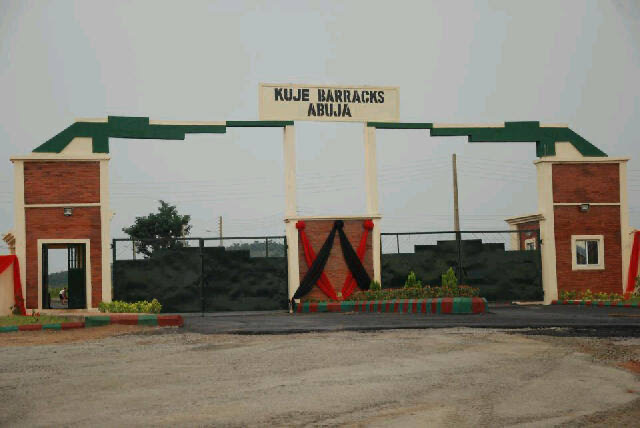

Few decisions in Nigeria carry as much weight as choosing between Abuja vs Lagos.
One is the nation’s commercial heart, but noisy and chaotic. While the other is calm and organised with wide tarred roads.
So if you’re considering relocating, launching a business, planning an extended visit, or simply investing from afar, this guide breaks down everything about Abuja vs. Lagos, from cost of living to culture, career, safety, and governance.
The Vibe and Lifestyle: Fast-Paced vs. Structured
Lagos
Lagos is a city that doesn’t ease you in. Right from the moment you land at the Murtala Muhammed International Airport, you will understand that it’s built on hustle. One of the first things to notice is the city’s extraordinary social scene.
Lagos gave the world Afrobeats, Nollywood, Bar Beach, Elegushi, and Tarkwa Bay. These beaches are filled every weekend with locals, diaspora returnees, and/or tourists.
Places like Lagos Island, Lekki, and Victoria Island are alive with rooftop bars, food festivals, live music venues, and beautiful galleries. The Lagos lifestyle rewards energy. You will easily connect with the vibes if you thrive in a very loud, chaotic, and competitive environment.
Abuja
Abuja was designed in the mid-1970s and developed in the 1980s by the American firm International Planning Associates, with architectural contributions from Japanese urban planner Kenzo Tange. It was built as a capital city, and that is very visible.
Districts are phased, roads are properly named, and the city does not feel improvised, as older Nigerian cities do. Places like Wuse 2, Jabi Lake Mall, Maitama, and the Central Business District have very high-standard restaurants and lounges. The aesthetics are considered worthwhile by people who want to breathe in cleaner air and less drama.
As Nigeria’s capital, Abuja attracts quite a number of people – diplomats, senior civil servants, NGO workers, and professionals from various industries. Things move at a slower pace in Abuja, which could be a relief or a frustration, depending on your personality type and financial status.
Cost of Living Comparison: Abuja vs Lagos
By Nigerian standards and the Nigerian economy, both cities are honestly expensive, but in different ways.
Lagos
The day-to-day running costs in Lagos are very high. Transportation, food, and utilities are outrageously pricey.
Abuja
On the other hand, Abuja has higher housing prices and a moderately lower daily running cost. According to the Nigeria Housing Market Data Index (updated in February 2026), the overall cost of living in Lagos is approximately 29% higher than in Abuja.
According to the Nigeria Housing Market Data, and Expatistan Cost of Living Index, updated in February 2026, the overall cost of living in Lagos is approximately 29% higher than in Abuja. Below is a detailed comparison of both cities.
Basically, Abuja costs less to run daily but more to settle, because of the high cost of rent.
Population and Demographics: Megacity vs. Planned Capital
Lagos
Lagos is Nigeria’s largest city, with an estimated metro population of roughly 17.5 million in 2026. It grew from just 300,000 people in 1950 to 17.16 million in 2025, according to the United Nations records. Projections estimate that Lagos will reach 24 million residents by 2035.
The traffic in Lagos, economic energy, housing pressure, the hustling spirit, and yes, the stress are largely influenced by this density. Hence, the competition for space and survival.
Abuja
By comparison, Abuja is still finding its size. Its 2026 metro population is approximately 4.39 million, making it the fourth-largest urban city in Nigeria. According to UN records, Abuja grew by 139.7% between 2000 and 2010, with an updated 2015 record of 35% annual growth. The population gap between Abuja and Lagos is considerably wide.
Leadership and Governance Structure
Knowing how each of these cities is governed is a civic responsibility because it determines what services are available to you.
Lagos State Government Model
Lagos is a full state within Nigeria’s Federal system, currently led by Governor Babajide Sanwo-Olu. Lagos has a functioning State House of Assembly and 20 Local Government Areas (LGA). Residents have many tiers of elected representatives to hold accountable, including councillors of each LGA.
Abuja Federal Territory Model
In this Abuja vs. Lagos guide, it’s important to note that Abuja is the Federal Capital Territory, not a state like Lagos.
There’s no governor in Abuja; it is headed by an FCT minister appointed by the President.
At the local level, Abuja is divided into six Area Councils–Abaji, Abuja Municipal (AMAC), Bwari, Gwagwalada, Kuje, and Kwali. Abuja operates under more centralised governance than Lagos State.
Career and Business Opportunities
Lagos
The city generates about 25% of Nigeria’s total GDP and 80% to 90% of the country’s entire startup landscape. Its tech ecosystem is valued at $15.3 billion as of 2025 and ranked the fastest-growing by the Dealroom 2025 Global Tech Ecosystem Index, ahead of Istanbul and Mumbai.
Major tech companies are situated in Lagos, including Interswitch, Opay, Moniepoint, Jumia, and Flutterwave. Not just tech, many other Nigerian finance sectors are in Lagos. If you’re in tech, finance, creative industries, or consumer goods, Lagos is where the jobs, clients, and network are.
Abuja
Industries like construction, real estate, NGOs, and B2B professional services are dominant in Abuja. Not leaving out over 100 foreign embassies and high commissions, making it a strong base for international organisations and development-sector professionals.
Abuja’s government-heavy economy provides a steady and lucrative pipeline for people in consulting, legal services, procurement, or construction.
Infrastructure, Traffic, and Safety
Traffic
Time is the hidden tax of living in Lagos. A single trip across the city can take two to three hours on a normal day, and longer when it rains.
That same journey would take roughly 45 minutes in Abuja, where roads are wider and less congested.
Infrastructure
Steady power supply is a concern in both cities, but it’s more consistent in some parts of Abuja. Lagos mainland residents spend heavily on fuel and diesel, as seen in the cost comparison above.
Also, roads in Abuja are solid and superior to those in Lagos. However, the Lagos state administration is already working to improve the roads.
Safety
Both cities carry security considerations that residents learn to navigate. But Lagos has a higher crime rate than Abuja. Particularly in areas such as Mushin and parts of the mainland.
Abuja has a significant security presence with visibly solid military checkpoints that provide a certain level of peace. Abuja is said to be safer and calmer.
Which Nigerian City Should You Choose?
Neither city is objectively better, as the decision depends on one’s personality and preferences.
Choose Lagos if you’re a young person hungry for growth, a tech founder, a creative in music or film, or anyone whose livelihood depends on being in a room where economic decisions are made. Lagos will push you to earn the reward it offers.
Choose Abuja if you are raising a family, in real estate, an NGO professional, a government contractor, or a civil servant.
The Abuja vs Lagos debate doesn’t have a single right answer; it’s personal, based on your life goals.
FACT CHECK: We strive for accuracy and fairness in our content curation and reporting.If you see something that doesn't look right, please don't hesitate to contact us!
JOIN COMMUNITY: Loved this post? You'll love our community more. Feel free to join our WhatsApp community today and be prepared to discover all of Abuja's best-kept secrets!